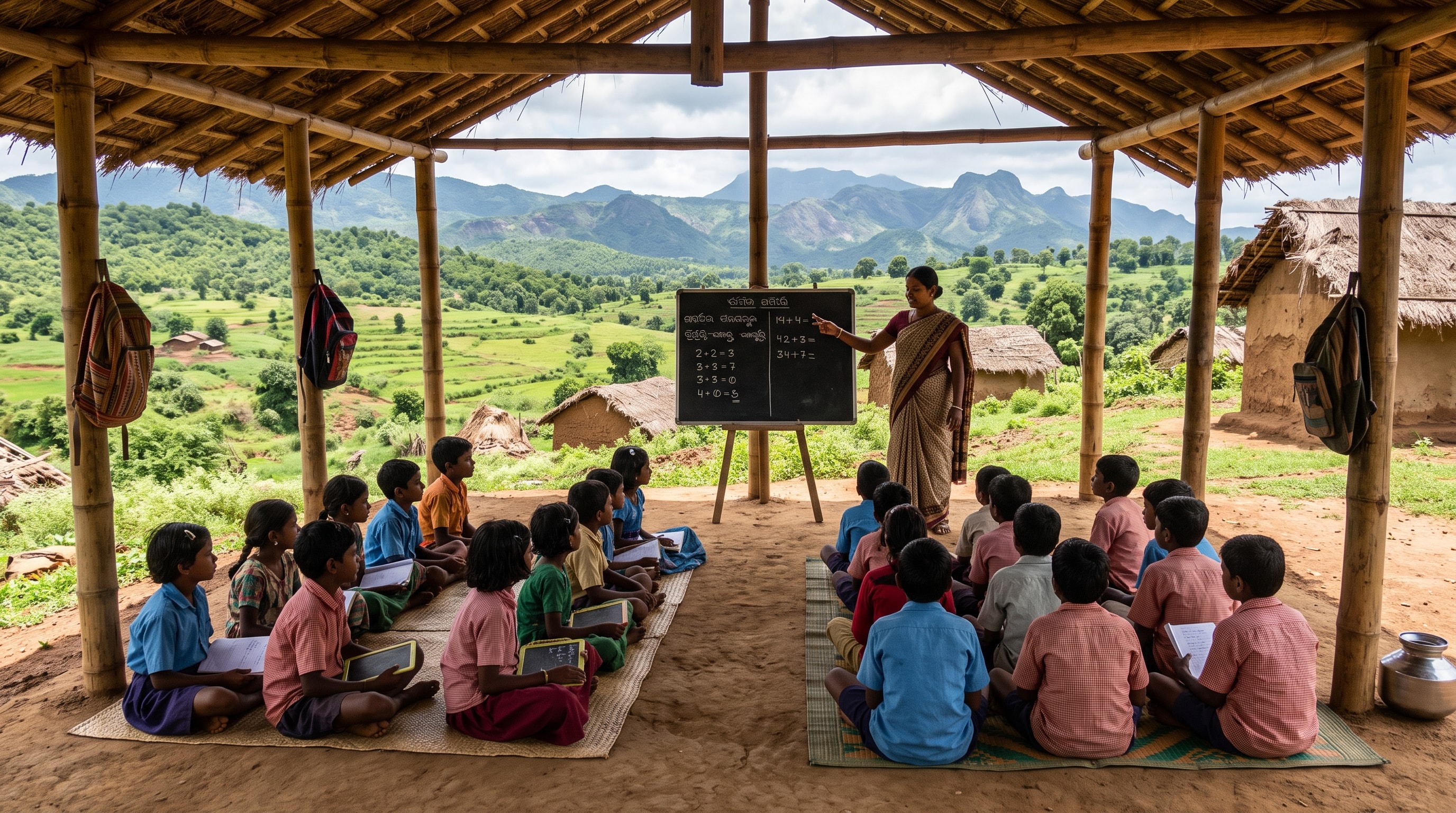
Teacher with students in a classroom — education and community development in India
What We Do

Our Causes

Six pillars of change — each rooted in the real needs of communities across Kolkata and West Bengal.

Education

Every child deserves a future

Education

We run free tuition centres, scholarship programmes, and school supply drives for underprivileged children across Kolkata. Since 2010, we have helped more than 1,200 children stay in school and dream bigger.

1200+

Children supported

8

Tuition centres

95%

Retention rate

Learn more
Healthcare

Bringing care to every doorstep

Healthcare

Our mobile health camps, free medicine distribution, and maternal health programmes reach villages and urban slums where professional care is scarce. We have conducted over 200 health camps since inception.

200+

Health camps held

15000+

Patients served

3

Districts covered

Learn more
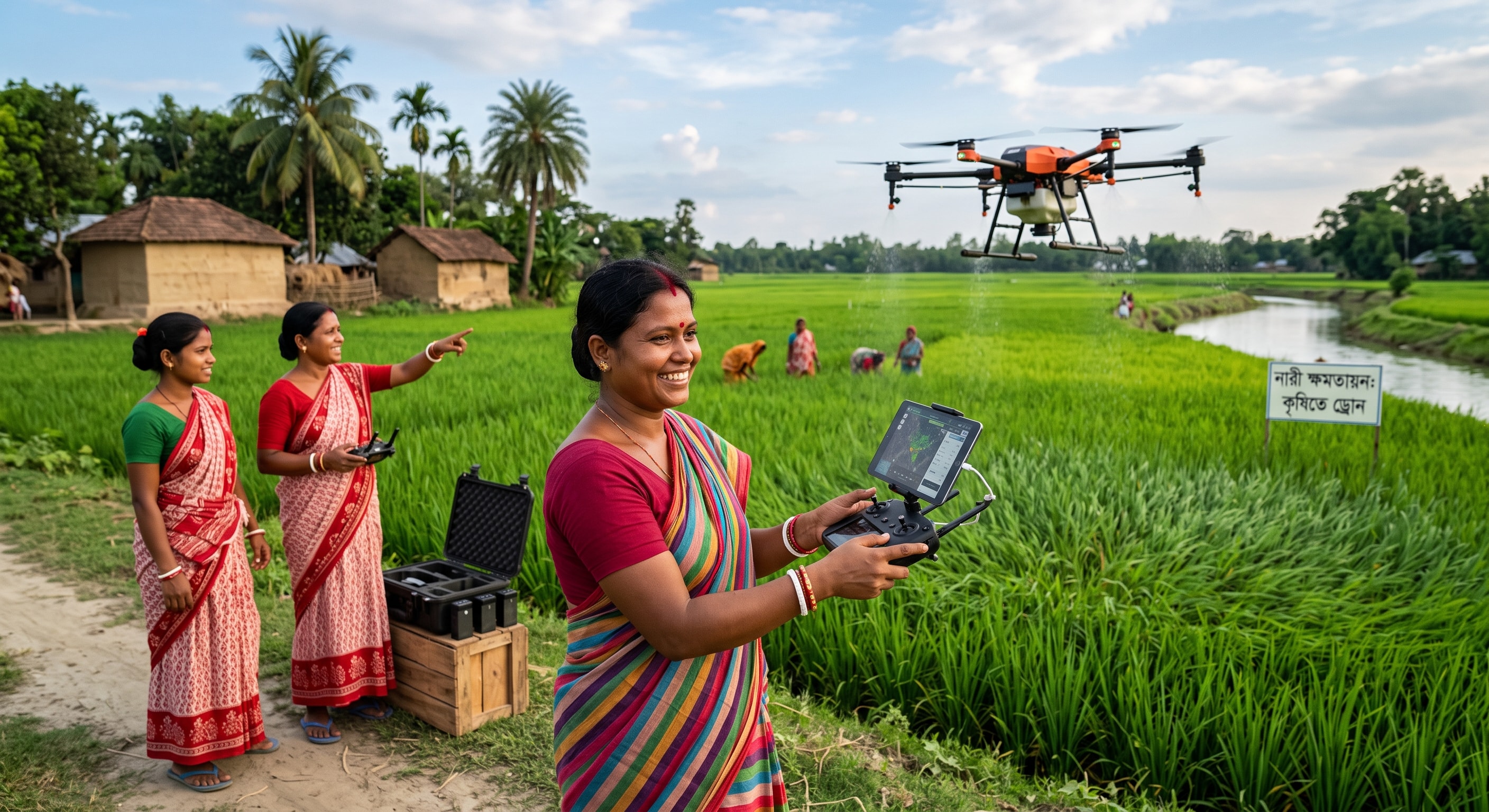
Women Empowerment

Dignity, skills, and independence

Women Empowerment

Through vocational training, self-help groups, and legal awareness workshops, we help women build financial independence and assert their rights. Over 800 women have completed our programmes.

800+

Women trained

40+

Self-help groups

60%

Income increase

Learn more
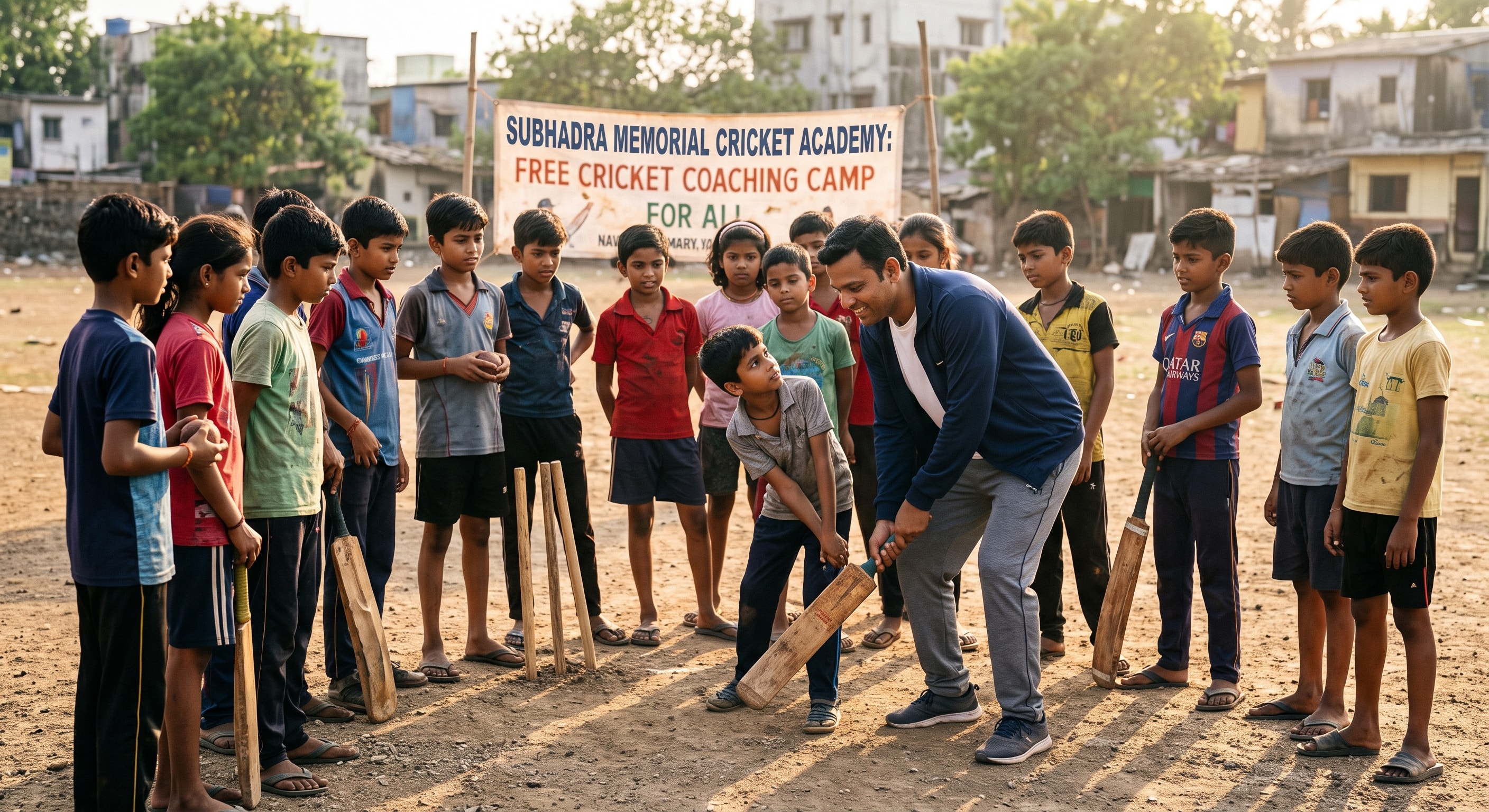
Sports

Champions born on every field

Sports

We believe sport builds character, discipline, and community. Our youth sports programme provides coaching, equipment, and tournament opportunities to children who cannot afford private academies.

500+

Young athletes

6

Sports disciplines

25+

Tournaments organised

Learn more
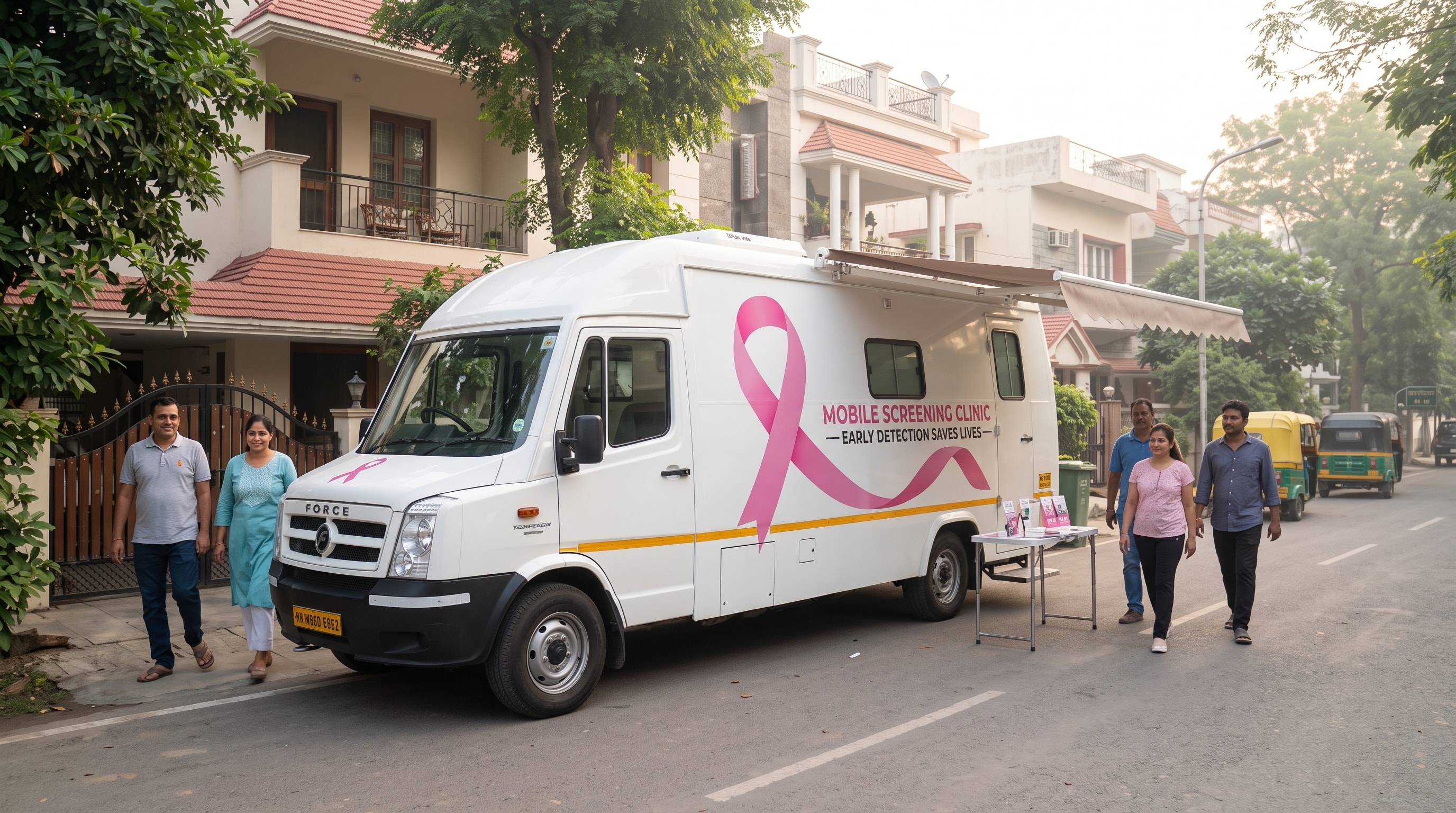
Cancer Awareness

Early detection saves lives

Cancer Awareness

Cancer is often detected too late in low-income communities due to lack of awareness and access. We run screening camps, survivor support groups, and community education drives to change that.

2000+

People screened

30+

Awareness camps

150+

Survivors supported

Learn more
Rural Development — West Bengal village community

Building stronger villages and tribal communities

Rural & Tribal Development

Millions in rural West Bengal lack access to clean water, sanitation, and basic infrastructure. We work alongside village communities to build self-reliance through infrastructure support, livelihood training, and civic awareness programmes.

50+

Villages reached

3000+

Families supported

12

Blocks covered

Learn more
Our Mandate

Objectives of Subhadra Memorial Trust

Our registered objectives span every dimension of community welfare — from agriculture and health to education, environment, and beyond.

A

Agriculture

  • •Raise awareness and assist in improving production & productivity in agriculture.
  • •Maximise returns to farmers from agriculture & allied sectors.
  • •Augment marketing interventions, export promotion, and competitiveness in agriculture.
B

Animal Resources

  • •Increase awareness of improved animal husbandry practices among rural communities.
  • •Provide gainful self-employment to weaker sections in the livestock sector.
  • •Make dairying a viable livelihood for small, marginal and landless farmers.
  • •Achieve self-sufficiency in milk, meat and egg production; enhance per capita availability.
  • •Provide efficient veterinary services at the doorstep of farmers.
C

Backward Classes

  • •Assist industrial and occupational mobility of SC/ST/OBC/Minority students.
  • •Understand and address prominent problems faced by SC/ST/OBC/Minority students.
  • •Study educational levels and raise awareness of constitutional privileges for these communities.
D

Consumer Affairs

  • •Make society free from all types of exploitation; build a disciplined consumer movement.
  • •Educate citizens about consumer rights and duties through lectures, workshops, and exhibitions.
  • •Assist consumers in obtaining their rights and protect them from unfair trading practices.
  • •Liaise with State and Central Government for consumer welfare decisions.
E

Education

  • •Establish and run nursery, primary, secondary, and higher secondary schools for poor and meritorious students.
  • •Set up vocational training institutes, polytechnic colleges, B.Ed./D.L.Ed. colleges, and computer science institutes.
  • •Run management, engineering, law, pharmacy, and other professional programmes without discrimination of caste, religion, or sex.
F

Environment

  • •Prevention and control of pollution; afforestation and regeneration of degraded areas.
  • •Environmental impact assessment, eco-regeneration, and promotion of environmental research and education.
  • •Create environmental awareness across all sectors; prevent cruelty to animals.
  • •Educate people about natural environmental pollution and promote tree plantation.
G

Food & Supplies

  • •Raise awareness on guaranteeing food security for the vulnerable and poor.
  • •Promote higher quality services to citizens via the Public Distribution System.
  • •Educate citizens about the Public Distribution System and food security entitlements.
H

Health & Family Welfare

  • •Provide adequate preventive & curative healthcare, especially to SC/ST, backward & minority groups.
  • •Offer affordable healthcare through allopathic, homeopathic, and Ayurvedic systems.
  • •Establish medical colleges, charitable dispensaries, maternity homes, and pathological centres.
  • •Organise blood donation camps, free eye check-up camps, and awareness drives for cancer, Thalassemia, and HIV/AIDS.
  • •Eliminate diseases like polio and leprosy; reduce maternal, infant, and neo-natal mortality rates.
K

Information & Cultural Affairs

  • •Promote reading habits among children, students, and youth.
  • •Foster social, economic, academic, cultural, political, and spiritual development of the people.
L

Rural Development

  • •Improve productivity and income of the rural poor; raise living standards of the poorest sections.
  • •Provide arsenic-free clean drinking water for school children and villagers in affected areas.
  • •Provide elementary education, healthcare, rural roads, drainage, sanitation, and parks in collaboration with government.
M

Self Help Groups

  • •Provide skill-upgradation and vocational training for SHG members and unemployed rural youth.
  • •Organise block and sub-divisional level melas to open marketing avenues for self-employed persons.
  • •Create sustainable livelihoods for SHG members to eradicate poverty; construct training-cum-marketing complexes.
N

Women & Child Development

  • •Improve health and nutrition of children aged 0–6 and of adolescent girls, pregnant and lactating women.
  • •Change societal mindset about women; protect women's rights per constitutional provisions.
  • •Make women of backward classes economically self-dependent; work for welfare of needy women and children.
  • •Eliminate child labour and take steps for rehabilitation of affected children.
O

Youth Services & Sports

  • •Provide facilities for games, sports, and pastimes; offer prizes, medals, and rewards for competitions.
  • •Set up, establish, and manage playgrounds, sports infrastructure, and durable sports assets.
★

Ancillary Objectives

•Achieve complete literacy and promote education at all levels.
•Implement projects for environment, plantations, bio-diversity, and research.
•Promote moral and ethical values through social and educational institutions.
•Implement job-oriented, labour-based educational systems in remote rural areas.
•Establish welfare centres for de-addiction, senior citizens, and differently-abled persons.
•Implement Panchayat, social welfare, rural development, and Swachha Bharat projects.
•Work on animal husbandry, animal medical care, animal rights, and fisheries development.
•Provide relief during natural calamities — flood, earthquake, drought, and epidemic.
•Create public awareness about AIDS and other diseases; promote blood donation camps.
•Make rural women self-reliant by organising and training Self-Help Groups.
•Establish libraries, music academies, art centres, and gymnasiums for social upliftment.
•Develop handicraft schemes and arrange training and techniques for artisans.
•Carry out child development projects for intellectual, psychological, and physical growth.
•Work for development of urban slum areas and overall societal development.
•Accept grants, donations, and contributions from banks, financial institutions, and individuals for welfare activities.

Ready to make a difference?

Every rupee you give goes directly to the communities that need it most. Join thousands of supporters who are lighting lives across West Bengal.